Start With The Right Taxpayer.
Separate the decedent’s final individual return from income belonging to the estate or a trust. Dates, titles and the nature of each payment matter. One family can have several different filing obligations.
 THE TAX CUTTERY®
Tax Preparation · Tax Planning · Tax Resolution
The Income Does Not Stop With The Inheritance
Interest still arrives. Property may be sold. Beneficiaries need answers. Bring the estate or trust’s income, distributions and records into one clear tax picture.
Form 1041 follows the income of an estate or trust. It is different from the estate tax return—and different from the final personal return of the person who died.
The initial consultation is free. No purchase required. Return preparation and planning are separately engaged.
Form 1041 and Form 706 answer different questions.
The entity’s reporting can affect a beneficiary’s personal return.
Trust terms, ownership, records and tax-year choices shape the work.
The Questions Behind The Return
Separate the decedent’s final individual return from income belonging to the estate or a trust. Dates, titles and the nature of each payment matter. One family can have several different filing obligations.
Grantor, simple and complex trusts do not all report the same way. Read the governing instrument and identify changes after a death before assuming last year’s method still fits.
Cash received is not automatically the amount of taxable income. Coordinate the entity return, distributable net income rules and beneficiary K-1s before treating the distribution as a personal-return entry.
A Hypothetical Executor’s Question
An estate receives bank interest and later sells property while administration is still underway. Its value may be below the federal estate tax filing threshold, but those income-producing events still call for an income tax filing analysis.
The practical question is who earned each item, which tax year applies, what expenses are allowable and whether income is retained or carried out to beneficiaries. The estate’s Form 1041 and any beneficiary K-1s connect those facts.
Illustration only. Not every estate or trust must file; eligibility, income and reporting methods require review.
Good Records Make The Next Step Clearer
Begin with what you have. The initial consultation puts the concern in context; the secure intake connects it with the records.
Do not post tax identifiers or documents publicly. Use the firm’s secure intake for private records.
Direct Answers. Informed Decisions.
No. Form 1041 reports estate or trust income. Form 706 addresses federal estate tax and certain generation-skipping transfer tax matters. An estate can have an income tax filing obligation even when it does not owe federal estate tax.
No. Filing depends on the trust’s type, income, beneficiaries and applicable rules. Many grantor trusts use reporting methods tied to the owner rather than the same reporting approach as a non-grantor trust. Review the actual instrument and facts.
The fiduciary, such as the executor or trustee, is responsible for the entity’s reporting. The governing document and appointment establish the role; a beneficiary is not automatically the person authorized to act for the estate or trust.
They may. Schedule K-1 reports a beneficiary’s share of applicable income, deductions and credits. What is reported depends on the entity’s activity and distribution rules; not every transfer is taxable income in the amount of the cash received.
No. A decedent’s final Form 1040 and an estate’s Form 1041 are separate returns. Dates of income receipt, ownership and special rules determine where an item belongs. Keep the supporting records separated by taxpayer.
The governing instrument can affect important reporting decisions. Start by identifying the missing document and obtaining it from the authorized custodian or attorney. A general description of the family’s wishes is not a substitute for the operative document.
This page concerns federal tax reporting. Legal administration, probate and interpretation of legal rights may require counsel. Any tax engagement should identify responsibilities and coordination with the fiduciary’s attorney.
A domestic decedent’s estate generally files if it has gross income of $600 or more for the tax year or a beneficiary who is a nonresident alien. Trust filing tests are different, including any taxable income, and special reporting methods can apply. Identify the taxpayer before applying a threshold.
Generally, the 15th day of the fourth month after the tax year ends, adjusted for weekends and legal holidays. The estate or trust’s permitted tax year matters. A filing extension does not automatically extend the time to pay. Coordinate beneficiary information and any extension separately.
No. Tax character and distributable net income rules matter, along with the governing instrument and the applicable distribution provisions. Do not equate a bank transfer with the beneficiary’s taxable K-1 amount.
No. Estates can have fiscal-year options, while trusts generally use a calendar year unless an exception applies. Certain qualified revocable trusts may elect estate treatment under section 645. Confirm eligibility and the effect of an election before choosing a year.
Yes. Estate tax and income tax are different systems. A later sale can create a gain or loss based on the applicable basis, proceeds and selling expenses. Exceptions and special rules apply; retain the date-of-death valuation and closing records.
No purchase or paid appointment is required for the free prerecorded initial tax consultation. Book ownership is optional for return preparation and required for Tax Advisory. Return preparation, research and written advice are separately engaged.
Your Foundation For The Next Decision
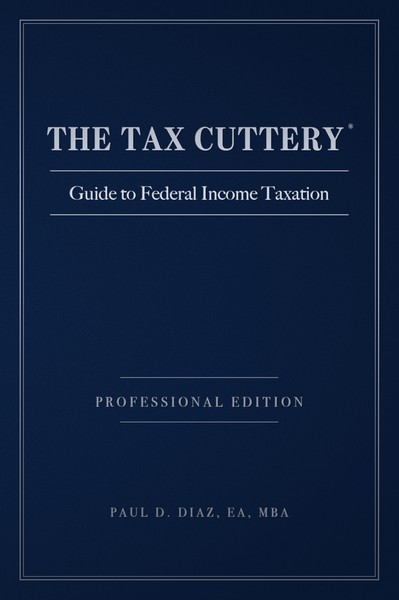
THE TAX CUTTERY® Guide to Federal Income Taxation, Professional Edition.
A family transition can bring unfamiliar tax responsibilities. Build the federal income tax foundation to recognize the questions, keep useful records and make your next conversation more productive.
The Guide builds broad federal income tax understanding. Specialized forms still require their official instructions and appropriately defined professional work.
Already own a copy? Register Your Copy →
Your Next Step
The free prerecorded initial tax consultation gathers your concern and the people and years involved. It is an intake conversation, not a live appointment or a free written opinion.
Genesis continues the secure intake when applicable. Keep the facts, supporting documents and life changes in the same picture.
Return preparation, research and Tax Advisory are separately engaged. Book ownership is optional for preparation and required for Tax Advisory. Paid live time is booked separately when needed.
THE TAX CUTTERY® is an independent federal tax practice. This is general education, not a filing determination or an accepted engagement. Federal estate and trust income tax reporting. Legal administration, probate and interpretation of legal rights remain separate professional roles.